How Water Filters Work: Simple Guide to Safe Drinking Water
3 min read
What are Water Filters? Ever wondered how water filters work and why they’re important for your home? This guide breaks it all down so you can make smarter choices for cleaner, safer drinking water.
What are Water Filters?
Water filters are devices that remove unwanted impurities like chemicals, bacteria, and dirt from water. They work through various methods such as physical barriers, chemical reactions, or biological processes to make water safer and more pleasant to drink.
The 5 Types of Filters – How Do They Work?
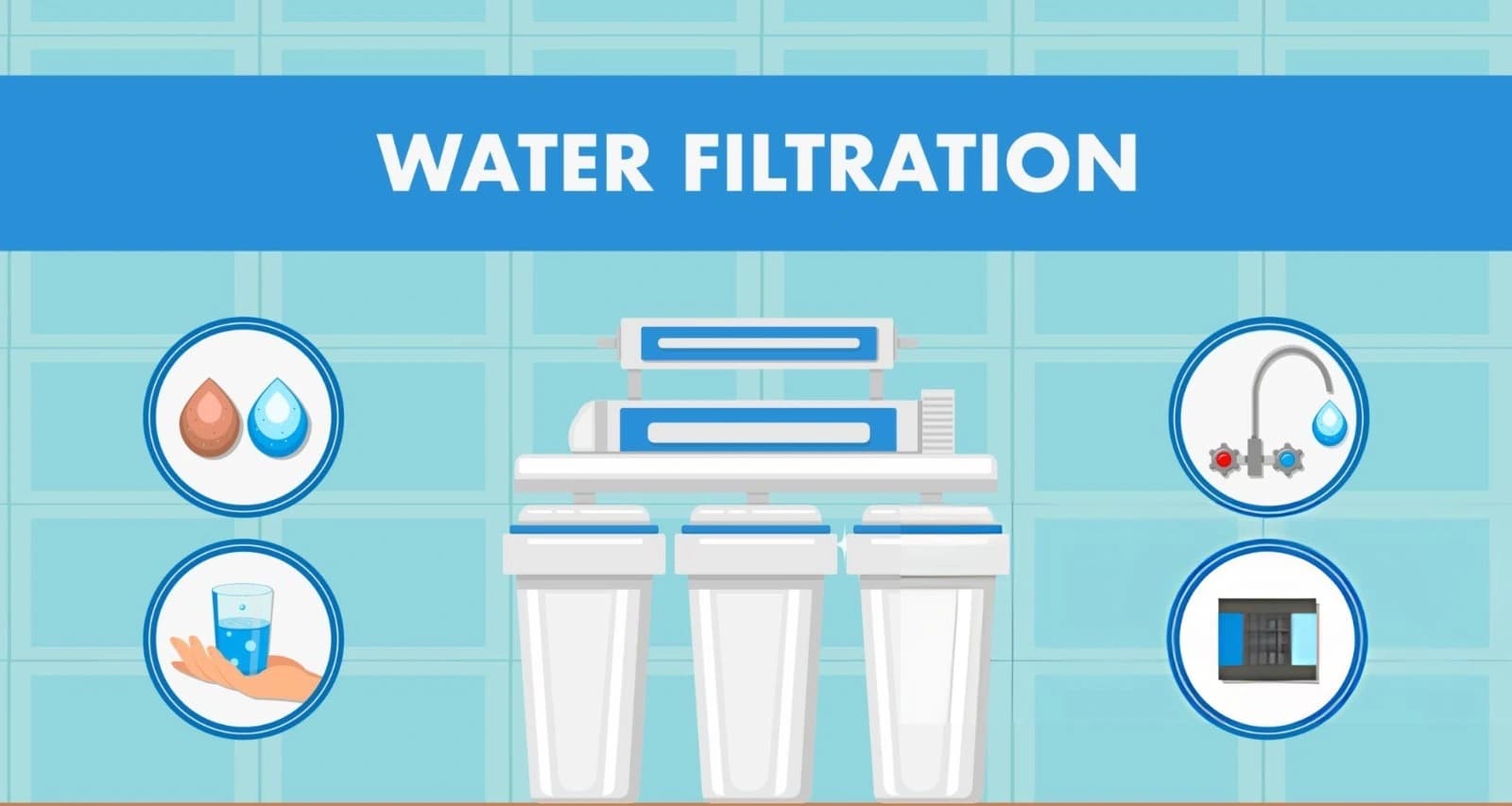
Here’s a breakdown of the five most common types of water filters and how they function:
| Filter Type | How It Works |
|---|---|
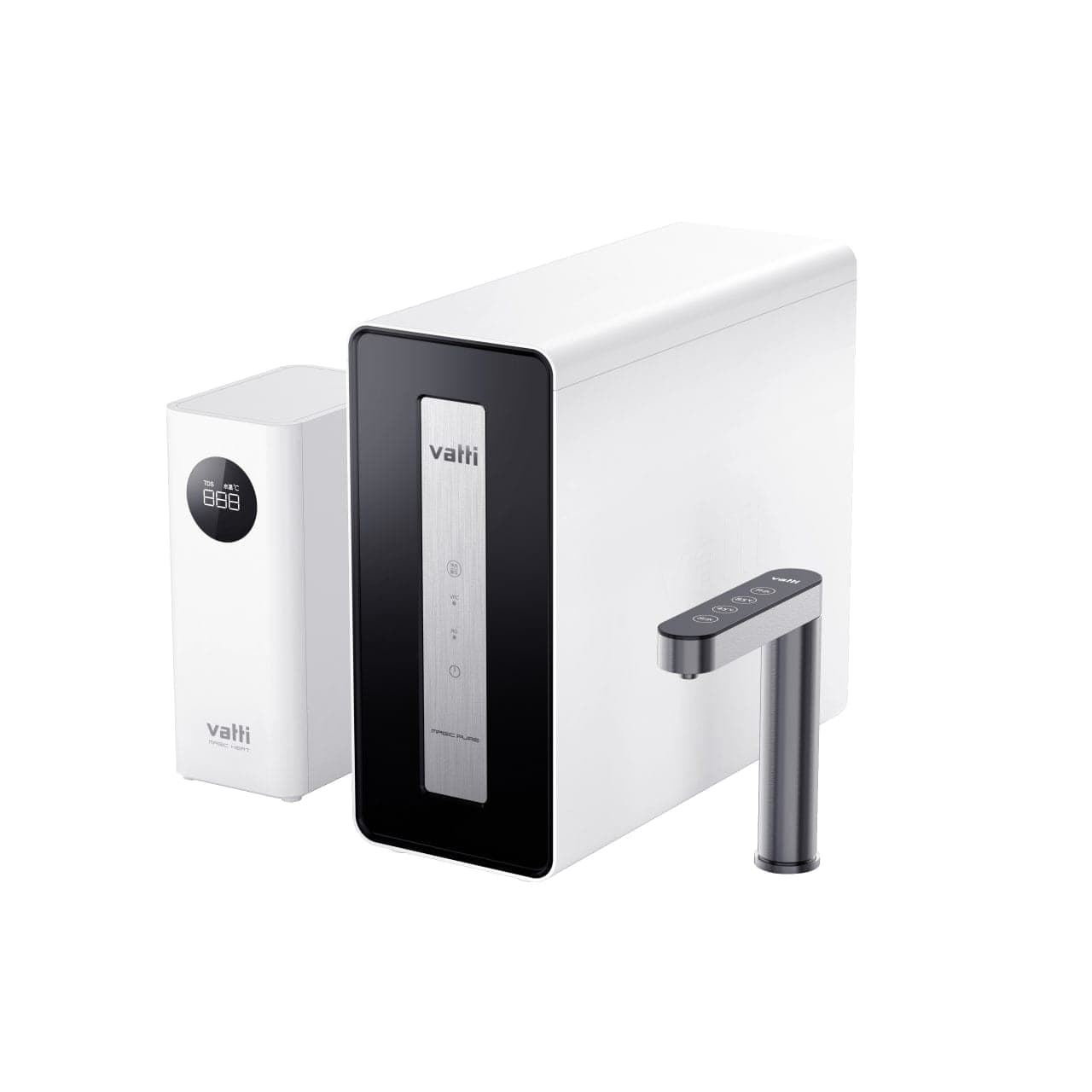
| Reverse Osmosis (RO) Systems | Uses a semi-permeable membrane to block out harmful substances like heavy metals, salts, and microbes. For example, check out theVATTI One Tap Water Purifier WDHG01, which uses RO technology for high-efficiency filtration. |
| Activated Carbon Filters | Trap contaminants through adsorption, great for removing chlorine, bad odors, and organic chemicals. |
| UV Water Purifiers | UV Water Purifiers |
| Absorption Filters | Typically made of materials like carbon or ceramic, they absorb impurities as water passes through. |
| Ultrafiltration Systems | Filter water using fine membranes to remove particles, bacteria, and some viruses while keeping minerals intact. |
Types of Drinking Water Filters
There are several drinking water filters available for everyday use:
- Pitcher Filters : Easy to use and budget-friendly; they filter water using activated carbon.
- Faucet Filters : Attach directly to your tap to provide on-demand filtered water.
- Under-Sink Filters : Installed below the sink, these offer thorough filtration for daily cooking and drinking.
- Countertop Filters : Standalone units that connect to your faucet; perfect for high-volume use.
Each type has its strengths depending on your needs, space, and budget.
How to Choose the Right Filter
To choose the right filter, consider these factors:
- Water Quality: Get a water test to understand what contaminants are present.
- Usage: Determine if you need filtered water for drinking only or for the whole house.
- Budget: Basic filters are inexpensive, while systems like RO or UV purifiers cost more but offer deeper filtration.
- Maintenance: Check how often filters need replacing and if parts are easy to find.
Matching your needs with the filter’s function ensures long-term satisfaction.
Interesting Questions You Might Want to Know
1. What is the perfect pH for water?
The ideal pH level for drinking water is between 6.5 and 8.5 , which is neutral to slightly alkaline.
2. Is water filtration the same as water purification?
No. Filtration removes physical impurities, while purification also targets biological contaminants like bacteria and viruses.
3. Does filtering water actually help?
Absolutely. It improves taste, removes harmful chemicals, and supports your health.
4. How often should I change my water filter?
Most filters should be replaced every 2 to 6 months , depending on usage and the type of filter.
5. Can cotton purify water?
Cotton can filter out larger particles, but it can’t fully purify water. It’s best used as a pre-filter.
Final thoughts
Knowing how water filters work helps you choose the right one for your family’s health and peace of mind. Check outVATTI One Tap Water Purifier for an easy, effective solution to cleaner drinking water.