Is an Infrared Gas Stove Worth It? Pros, Cons and Who Should Buy One
8 min read
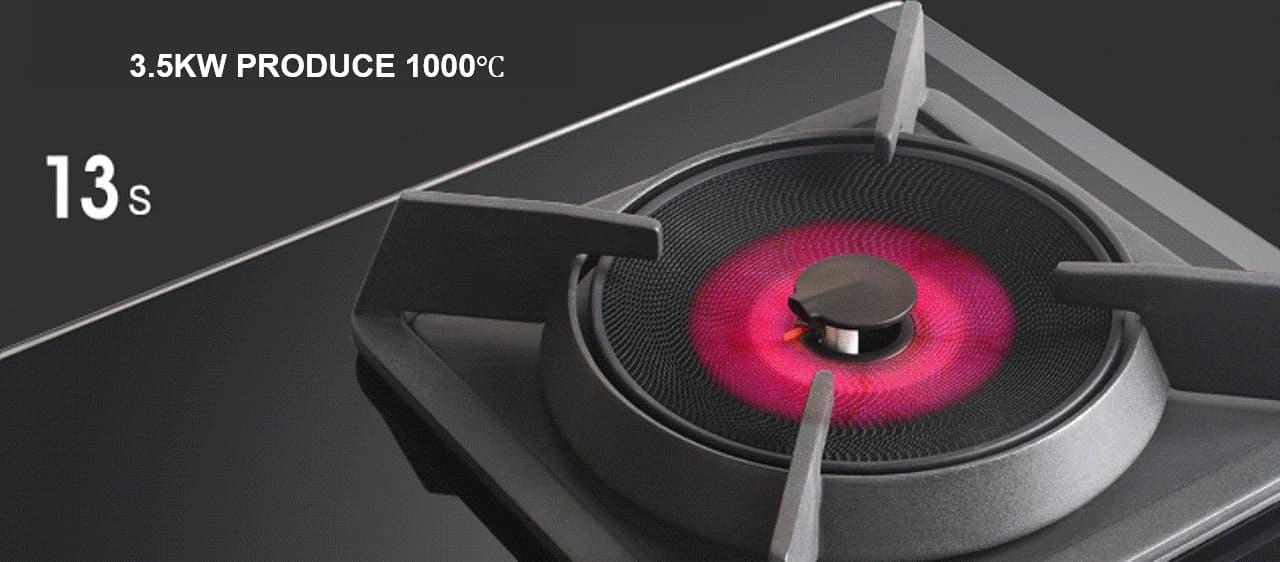
An infrared gas stove burns its gas through a plate drilled with thousands of tiny holes instead of through a ring of open flames. The plate heats until it glows red, and it is the glowing plate, not a visible flame, that cooks the pan. In Malaysia this type has spread fast because it suits the way we cook: a wok held over a plate that radiates evenly, less gas used for the same heat, and a burner that does not gutter in a breeze from the window.
This guide explains how the burner works, what it saves, where it falls short, whether it is safe, and who should buy one. It ends with a plain answer.
Quick Answer: Is an infrared gas stove worth it?
Yes, for a kitchen that cooks every day and uses the wok. An infrared burner puts more of the gas's heat into the pan, reaches a high temperature fast, and stays lit in wind. It costs more than an open-flame burner, its plate needs to be kept clear of boil-overs, and it holds heat after you switch it off. The best hobs pair one infrared burner with one open-flame burner so you get both.
What an infrared gas stove is
Every gas burner mixes gas with air and burns it. An open-flame burner, the kind most kitchens have, releases the mixture through a ring of ports and burns it as a crown of blue flames that lick the base of the pan. Heat reaches the pan by the hot gases touching it, and a good share escapes up the sides.
An infrared burner sends the same mixture through a ceramic or metal plate carrying thousands of small ports. The gas burns just above the surface of the plate, so the plate itself heats to somewhere around 800 to 1,000°C and glows red. At that temperature a solid surface radiates heat the way an electric grill element does, which is the "infrared" in the name. The pan is heated by that radiation as well as by the hot gases, so more of the heat arrives where it is wanted.
Our guide to how an infrared gas burner works goes into the plate, the air supply and the flame colour in detail.
The case for one
- Less gas for the same cooking. Because the radiant plate transfers heat more directly, an infrared burner reaches the same pan temperature on a lower gas flow. Manufacturers typically rate them 10 to 20 percent more efficient than a comparable open burner. Over a year of daily cooking that is a cylinder or two.
- High heat, quickly. The plate reaches full glow within seconds and a wok over it gets to searing temperature fast. VATTI's plate burner on the Olympic Hob M822G is rated 3.8 kW and reaches 1,000°C at the surface.
- Even heat across the pan. A ring of flames heats a ring on the pan. A plate heats the whole base, which matters for a flat pan and for a wok that is being tossed rather than held still.
- Wind does not put it out. The flame sits in the ports of the plate rather than standing free in the air, so a breeze from an open window or a ceiling fan does not blow it sideways or out. This is the single most noticed difference in a Malaysian kitchen.
- Less soot on the pan. With complete combustion at the plate, less unburnt gas reaches the pan base, so pots stay cleaner underneath.
- Quieter. The roar of a large open burner on full is mostly absent.
The case against one
- Price. An infrared burner costs more to make than a ring burner, and the hob costs more to buy.
- The plate needs keeping clear. A boil-over that lands on a red-hot plate bakes into the ports. A blocked plate burns unevenly, shows yellow flame, and wastes gas. It cleans easily if you do it, and badly if you leave it.
- Thermal shock. A ceramic plate can crack if cold water hits it while it is glowing. Wipe spills once it has cooled, not while it is red.
- It holds heat. Turn an open flame off and the heat is gone. Turn an infrared plate off and it goes on radiating for a minute or two, which takes some getting used to for a sauce that must stop cooking now.
- Replacement parts. A cracked plate or a clogged one that will not clean is a part to order, not a burner cap to rinse. Buy from a brand with a service network.
- Slower to turn down. Open flames drop to a simmer instantly. A plate cools more slowly, so very low simmering is easier on the open-flame side of a hob.
Infrared vs a normal gas stove
| Infrared burner | Open-flame burner | |
|---|---|---|
| How it heats | Red-hot perforated plate, radiant heat | Ring of blue flames, hot gas |
| Gas used for the same heat | Less, typically 10 to 20 percent | More |
| Time to searing heat | Seconds | Longer |
| Heat across the pan base | Even | Ring-shaped |
| Behaviour in a breeze | Stays lit | Flutters, can go out |
| Response when turned down | Slower, plate holds heat | Instant |
| Spills | Bake into the plate | Sit on the burner cap, rinse off |
| Cleaning | Brush the plate, keep the ports clear | Lift and wash the cap and ring |
| Cost | Higher | Lower |
For a burner-by-burner comparison of what each is like to cook on, see infrared burner vs gas burner.
Is an infrared gas stove safe?
As safe as any gas hob, with two habits to learn. There is no open crown of flame, so sleeves and tea towels are less likely to catch, and the flame cannot be blown out to leave gas escaping. On the other hand the plate stays hot after the gas is off, so treat it as you would an electric element and keep hands and cloths away until it has darkened.
Buy a hob with a flame failure device, which closes the gas valve if the burner goes out. On the M822G the safety valve does exactly that on an accidental shutdown.
Does it use electricity?
No. The gas does the heating. The only electricity is for ignition, which on most hobs is a battery in a box under the top or, on some, a 13 amp plug. An infrared gas stove works in a power cut.
Does it save gas?
Yes, for the reason above: more of the heat reaches the pan. The saving depends on what you cook. Stir-frying at full heat, where an open burner throws a lot of heat up the sides of the wok, saves the most. Long simmering at low heat saves the least, because both burner types are already near their minimum. A household that cooks two meals a day on gas can expect a cylinder to last noticeably longer, not to halve.
Who should buy one
- You cook with a wok most days. The high, even, wind-proof heat is what the burner was designed for.
- Your kitchen is open or breezy. A yard kitchen, a window over the hob, or a fan nearby all favour a plate that cannot be blown out.
- You want a quieter hob. The plate is much quieter than a large open burner on full.
Stay with open flame, or take a hob that has both, if most of your cooking is slow simmering, if you often boil over, or if the budget is tight.
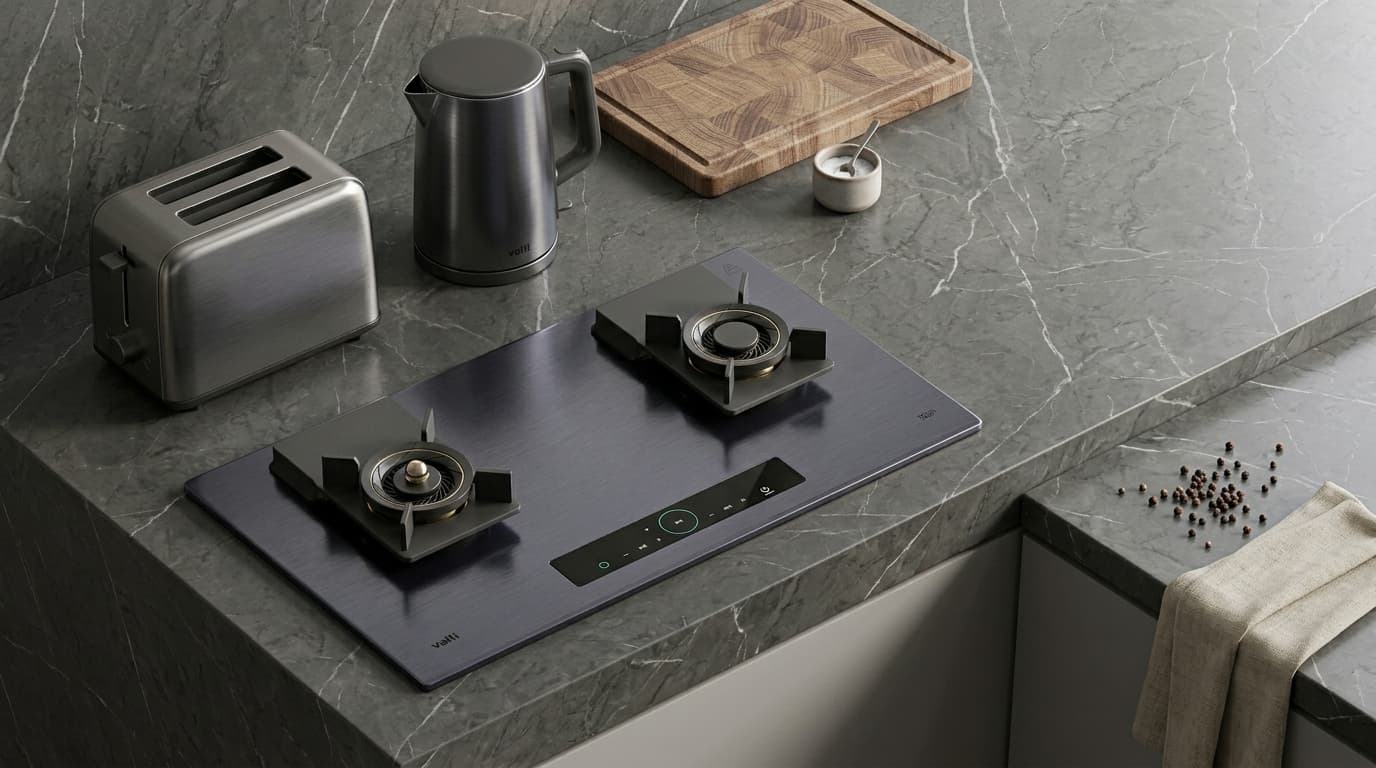
The hob that settles this for most Malaysian kitchens is the two-sided one: one infrared plate for the wok and one open burner for the pot of soup. VATTI builds the Olympic Hob M822G that way, with the 3.8 kW plate burner on the left and a 4.5 kW open burner on the right, on a tempered glass top with a safety valve on both.
Infrared gas stove FAQs
What is the disadvantage of an infrared gas stove? Cost, and the plate. It costs more than an open burner, the plate must be kept clear of spills, and it holds heat for a minute after switching off.
Is an infrared gas stove more efficient? Yes. The radiant plate puts more of the gas's heat into the pan, and manufacturers typically rate infrared burners 10 to 20 percent more efficient than open burners.
Is an infrared gas stove better than a normal one? For high-heat wok cooking and for breezy kitchens, yes. For gentle simmering and for easy cleaning after spills, the open burner is better. Many hobs give you one of each.
Which pans work on an infrared burner? Any pan that works on gas: a wok, cast iron, stainless steel, aluminium and clay pots. Flat-based pans make the most of the radiant heat; a round wok on a stand works as it always has.
Why is the flame yellow? Blocked ports. Let the plate cool, brush it, and it burns blue and even again. See the burner guide for the method.
How long does the plate last? Years, if boil-overs are cleaned once the plate is cool and nothing cold is poured on it while it is hot. A cracked or permanently clogged plate is a replacement part from the brand's service centre.
Final thoughts
An infrared gas stove is worth it if you cook the way most Malaysian kitchens do: hard, hot and often. It uses less gas, gets there faster, and does not go out when the window is open. Keep the plate clean and give it a minute to cool, and it will outlast the pans on it. The VATTI cooker hob range puts the plate burner and the open burner side by side on the M822G, with the burner figures listed model by model.