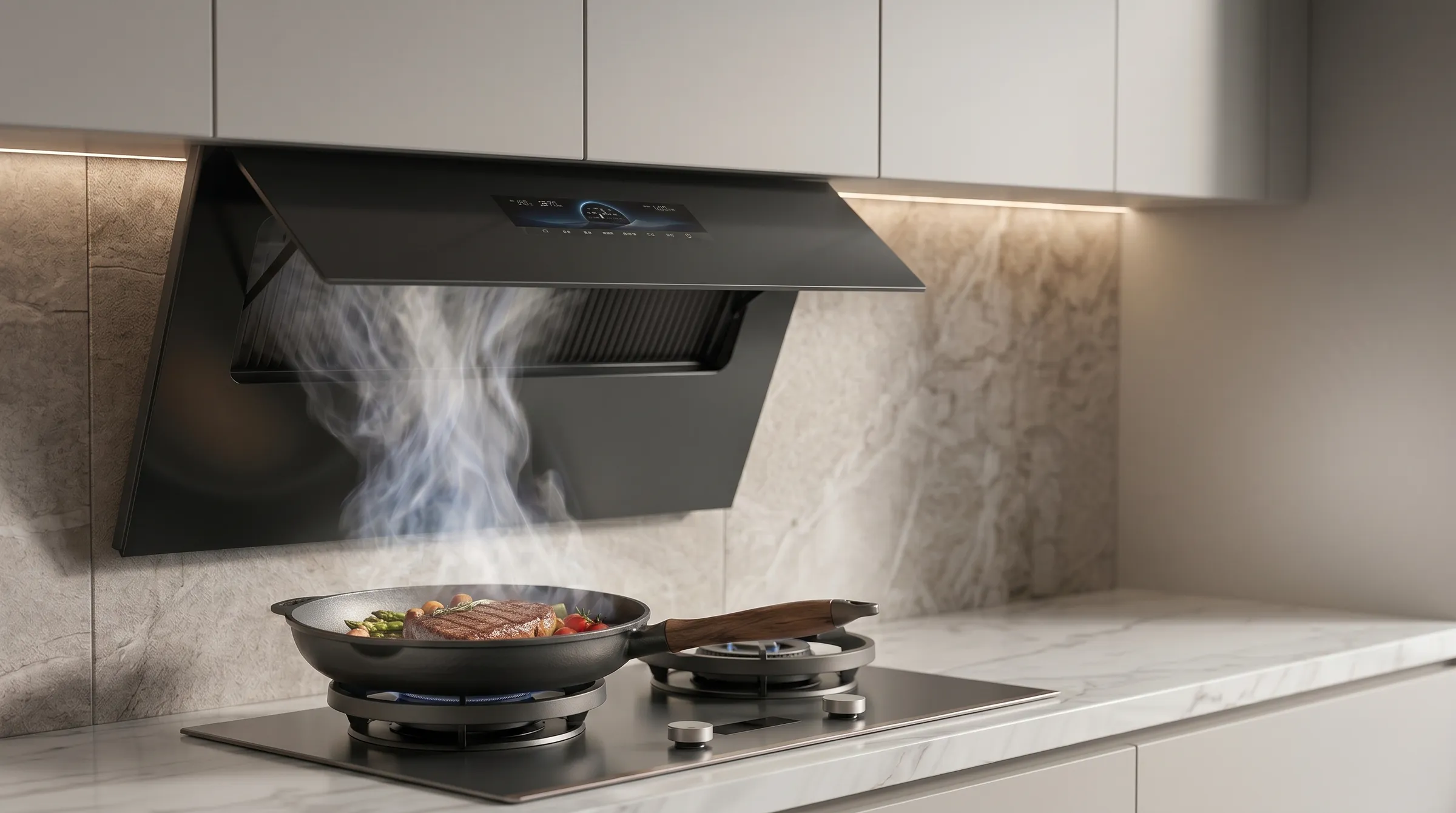
Infrared Burner vs Gas Burner: Which Cooks Better?
6 min read
Most hobs sold in Malaysia now come with a choice of burner under the pan support: a plate that glows red, or a ring of blue flames. They both burn the same gas from the same cylinder, and they cook very differently. This guide sets the two side by side, one job at a time, so you know which burner to put the wok on, which to put the soup on, and which to look for when you buy. For the wider question of whether an infrared hob is worth buying at all, see is an infrared gas stove worth it.
Quick Answer: Infrared burner or gas burner?
The infrared plate for the wok, searing and anything that needs a lot of heat fast. The open-flame burner for simmering, soups, and pots that boil over. Neither is better at everything, which is why the best two-burner hobs carry one of each.
How each burner makes heat
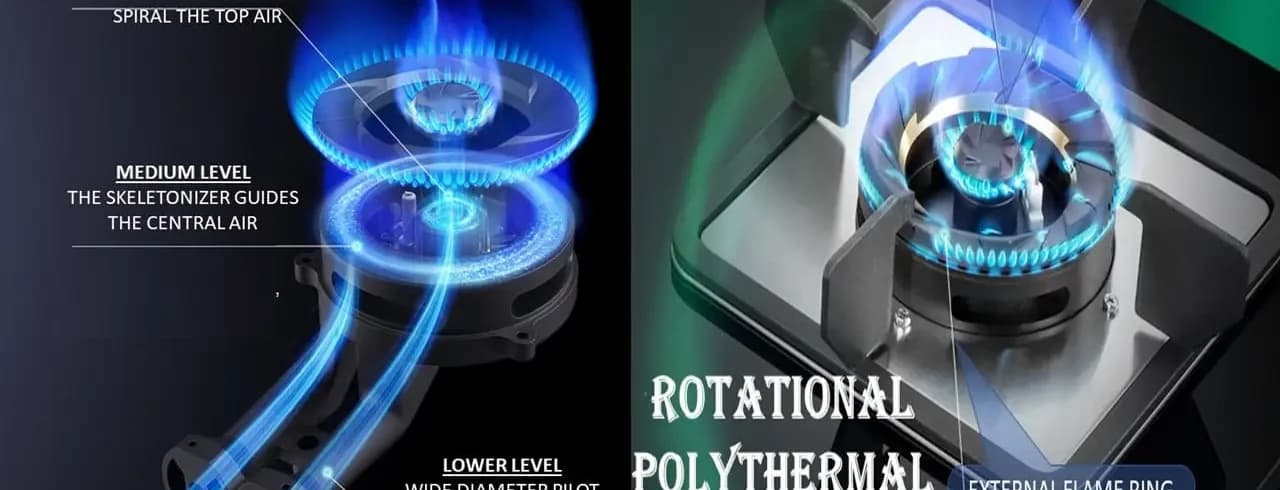
An open-flame burner pushes a gas and air mix out through a ring of ports in a brass or aluminium cap. It burns as a crown of blue flames that touch the base of the pan. The pan is heated by the hot gases flowing over it, and whatever misses the pan goes up its sides and into the kitchen.
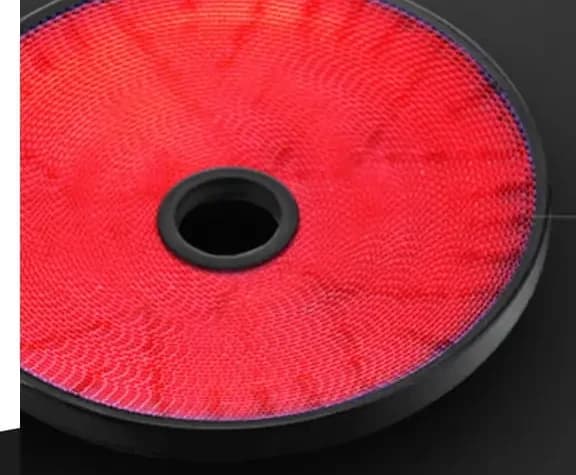
An infrared burner pushes the same mix through a plate of several thousand tiny ports. The gas burns just above the plate, the plate heats to a red glow, and the pan is heated both by the hot gases and by the radiation from the glowing surface. Our guide to how an infrared gas burner works covers the plate and the air supply in detail.
That one difference decides everything below.
Burner against burner
| Infrared burner | Open-flame burner | |
|---|---|---|
| Heat reaching the pan | Radiant plus convective, more of it | Convective, less of it |
| Heat pattern | The whole base | A ring |
| Time to full heat | Seconds | Longer |
| Wind | Unaffected | Flutters or goes out |
| Turning down | Slow, the plate stays hot | Instant |
| Lowest simmer | Fair | Excellent |
| Boil-overs | Bake into the plate | Rinse off the cap |
| Noise on full | Quiet | A roar on a big burner |
| Soot under the pan | Little | Some |
| Cost | Higher | Lower |
Heat and speed
The infrared plate wins. It reaches its glow in seconds and delivers more of the gas's energy to the pan, so a wok gets to smoking point faster and stays there through a stir-fry. On a hob rated for it, the plate surface reaches around 1,000°C; VATTI's plate burner on the Olympic Hob M822G is rated at 3.8 kW and 1,000°C.
The open burner is not slow, and a large 5 kW ring will boil a pot quickly, but more of its heat goes up the sides of the pan.
Wok cooking
Infrared, without much argument. Wok hei needs sustained high heat across the base while the food is tossed, and the plate gives even heat rather than a hot ring with a cooler centre. It also does not blow out when the wok is lifted and the air moves. Cooks who have used both usually put the wok on the plate and leave it there. Our guide to the right wok setup covers the pan and the stand.
Simmering and soups
Open flame. A ring of small flames can be turned down to a flicker and responds the moment the knob moves, which is what a pot of soup, a curry left to reduce, or rice in a clay pot wants. An infrared plate simmers well enough, but it holds heat after being turned down and its lowest setting is not as low.
Pans
Both burners take any pan that works on gas: wok, cast iron, stainless, aluminium, clay and enamel. The plate makes the most of a flat base, because the whole base receives radiant heat. A round-bottomed wok on a wok stand works on either. Glass and ceramic cookware are fine on both, with the usual care about sudden temperature changes.
Cleaning
Open flame is easier after a spill: lift the cap and ring, wash, dry, replace. Our guide to cleaning stove grates covers the supports.
The infrared plate needs a different habit. Nothing should be poured on it while it glows, because a ceramic plate can crack, and a boil-over left on it bakes into the ports. Once cool, a soft brush clears the surface and the ports, and a plate kept this way lasts years. The burner guide gives the full method.
Safety
Both hobs should have a flame failure device that closes the gas if the burner goes out. Beyond that, each has one thing to watch. The open burner has a standing crown of flame that can catch a sleeve or a cloth. The infrared plate has no such flame but stays hot for a minute or two after switching off, like an electric element. Neither uses mains electricity to cook; ignition is a battery or a plug.
Gas use
The infrared burner uses less for the same result, typically by 10 to 20 percent according to manufacturers' ratings, and the gap is widest at high heat. For long low simmering the two are close.
Cost
The infrared burner costs more, both as a hob and as a replacement plate if one is ever needed. The open burner is cheaper and its parts are simpler.
So which is good for you?
- Mostly stir-frying and searing: infrared.
- Mostly soups, stews and rice: open flame.
- Both, every day: a hob with one of each. Put the wok on the plate and the pot on the flame and stop thinking about it.
- Kitchen open to the air: infrared, because it will not blow out.
- Tight budget or frequent boil-overs: open flame.
Infrared burner FAQs
Is an infrared burner better than a regular burner? For heat, speed, wind and gas use, yes. For fine control at a simmer and for easy cleaning after spills, no. They suit different jobs.
Can I use a wok on an infrared burner? Yes, and it is the burner's best use. Use a wok stand for a round-bottomed wok, as on any hob.
Why does my infrared burner have a yellow flame? Ports blocked by a spill, or the plate wet. Let it cool, brush it clean, dry it, and the flame returns to blue.
Does an infrared burner get hotter than a gas burner? At the plate surface, yes, around 1,000°C. At the pan, it depends on the burner's rating; the practical difference is that more of the infrared burner's heat reaches the pan.
Which VATTI hob has both? The Olympic Hob M822G: a 3.8 kW infrared plate on the left and a 4.5 kW open burner on the right, partitioned so one can steam while the other stir-fries.
Final thoughts
An infrared burner is good at the things a wok needs and an open burner is good at the things a pot needs. Buy for how you cook, or buy a hob that does not make you choose. The VATTI cooker hob range lists each model's burners and power so you can compare them side by side.