
Best Oven Setting for Baking Cakes: Mode, Temperature and Rack
5 min read
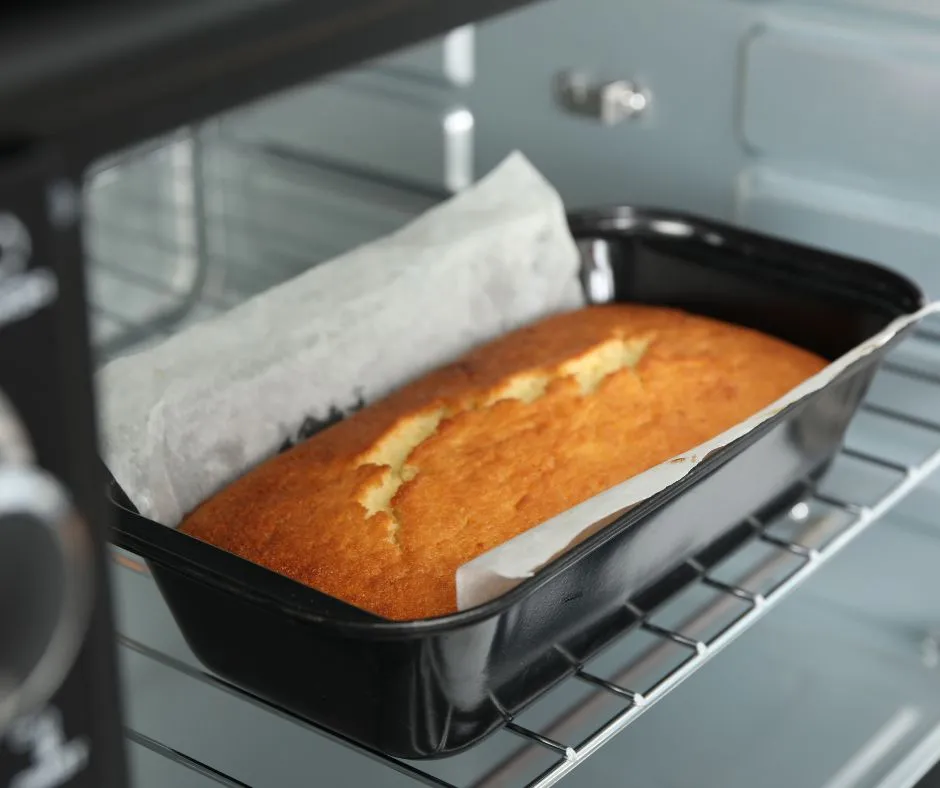
If your cake sinks, cracks or bakes unevenly, the problem is usually the oven setting rather than the recipe. Cakes need steady, moderate heat from above and below, a tin in the middle of the oven, and a door that stays shut. This guide gives the exact settings: which mode, what temperature, how long, and which rack, for every common kind of cake. If you are not sure which icon on your dial is which, read our guide to the oven symbol for baking cakes first.
Quick Answer: What is the best oven setting for baking a cake?
Conventional mode, which is top and bottom heat with no fan, at 160 to 180°C, on the middle rack. Sponges at the lower end, butter cakes at the upper end, cheesecakes at 150°C on bottom heat. If you use the fan, take 10 to 20°C off the temperature.
Settings by cake type
| Cake | Mode | Temperature | Time | Rack |
|---|---|---|---|---|
| Sponge or chiffon | Conventional | 160 to 170°C | 25 to 35 min | Middle |
| Butter or pound cake | Conventional | 170 to 180°C | 45 to 60 min | Middle |
| Cupcakes and muffins | Conventional or fan | 170°C (fan 160°C) | 18 to 22 min | Middle |
| Brownies | Conventional | 170°C | 25 to 30 min | Middle |
| Cheesecake | Bottom heat or conventional | 150°C | 50 to 70 min | Lower middle |
| Fruit cake | Conventional | 150°C | 2 to 3 hours | Middle |
| Sheet cake, thin layers | Fan | 160°C | 15 to 20 min | Middle |
Times are for a standard 20 to 23 cm tin and are a range, not a promise. Test with a skewer in the centre: it should come out clean or with a few dry crumbs.
Top or bottom heat for baking cakes?
Both. Conventional mode runs the top and bottom elements together, which is what gives a cake even heat from all sides. Bottom heat alone leaves the top pale and underdone; top heat alone browns the surface and leaves the centre raw. The only cake that suits bottom heat on its own is a cheesecake, which must not colour on top.
Fan or conventional?
Conventional for anything tall or delicate. The still air lets the cake rise fully before the crust sets. Fan for cupcakes, thin layers and several trays at once, where even heat across the shelves matters more than a gentle rise. When you use the fan, lower the temperature by 10 to 20°C and check five minutes early.
Rack position
The middle rack is the safe place for almost every cake. Heat rises, so the top of the oven runs hotter than the bottom: a tin on the top rack browns before it cooks through, and a tin on the bottom rack overcooks its base. Cheesecakes go one notch lower than the middle, and for two tins at once use the fan and place them side by side rather than one above the other.
Preheating
Preheat for 10 to 15 minutes at the recipe temperature, and give it a few minutes beyond the beep. A cake that goes into an oven still warming up spreads before it rises and comes out dense. Our guide to how long to preheat an oven covers the timing by temperature.
What each fault means
| What you see | What went wrong | Fix |
|---|---|---|
| Cracked, domed top | Too hot, or fan on a sponge | Lower by 10 to 20°C, use conventional |
| Sunken middle | Underbaked, or door opened early | Bake longer, keep the door shut until two thirds through |
| Burnt top, raw centre | Grill or top heat, or tin too high | Conventional, middle rack |
| Dry, crumbly | Too long or too hot, or fan without lowering the temperature | Check earlier, reduce heat |
| Pale, soft base | Tin too high, or oven not preheated | Middle rack, full preheat |
| Uneven rise | Tin not centred, or oven runs hot on one side | Centre the tin, rotate once at two thirds |
Warm-kitchen adjustments for Malaysia
A kitchen at 30°C softens butter and speeds fermentation, so batters are looser and rise faster than the recipe expects. Chill a butter cake batter for ten minutes before it goes in, and check sponges five minutes early. An oven thermometer is worth having: many ovens run 10 to 20°C off the dial, and in baking that gap is the difference between a level top and a cracked one.
Oven setting FAQs
What temperature should a cake be baked at? 160 to 180°C for most cakes in a conventional oven. Lighter sponges at the lower end, dense butter cakes at the upper end, cheesecakes and fruit cakes at 150°C.
How long does a cake take to bake? Twenty-five to thirty-five minutes for a sponge, forty-five to sixty for a butter cake in a 20 cm tin. Test with a skewer rather than the clock.
Should I bake a cake with the fan on or off? Off for a single tall cake. On, at a lower temperature, for cupcakes and multiple trays.
Which rack is best for baking a cake? The middle rack, with the tin centred.
Can I open the oven to check the cake? Not before two thirds of the time has passed. The drop in temperature stalls the rise and the centre sinks.
Final thoughts
Conventional mode, 160 to 180°C, middle rack, door shut: those four settings fix most cake failures. If your oven cannot hold a steady temperature, no setting will save the cake, which is the argument for a better oven. The VATTI combi ovens hold their set temperature precisely, run eight baking modes plus steam for bread, and carry 68 auto menus that choose the mode and the time for you.


