
How Long to Preheat an Oven: 10 to 15 Minutes for Most Baking
5 min read
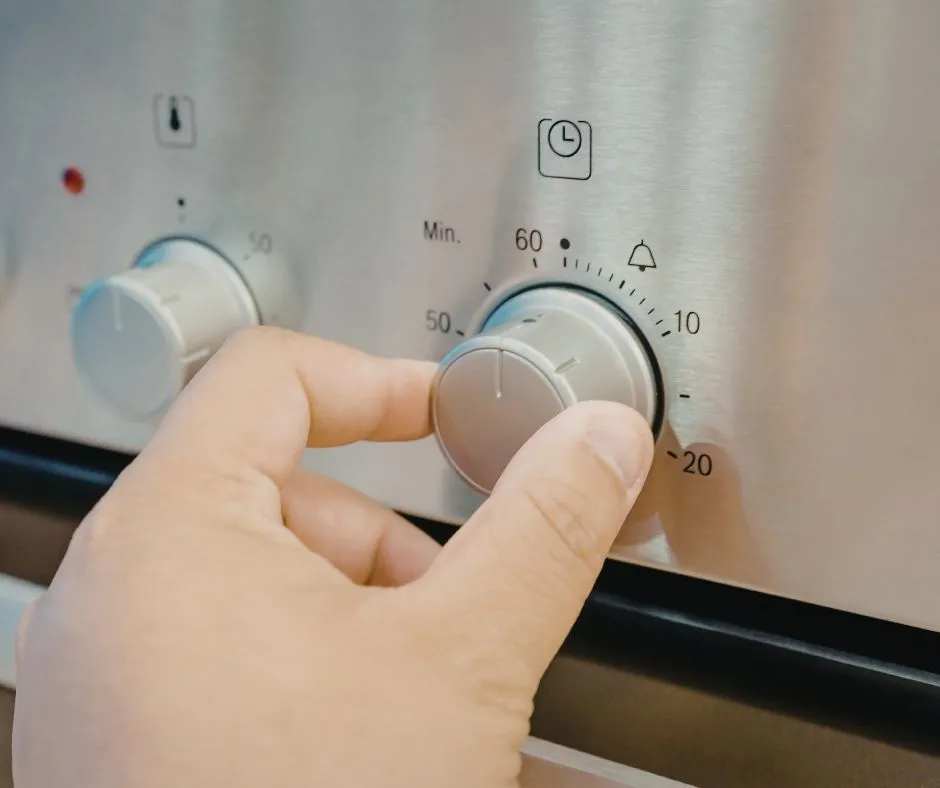
Preheating means bringing the oven up to the recipe's temperature before the food goes in. Most home ovens take 10 to 15 minutes to reach standard baking temperatures, and the indicator light or beep is not always the last word. This guide gives times by temperature, explains what makes an oven slower, and shows how to tell when it is really ready.
Quick Answer: How long does an oven take to preheat?
About 10 to 15 minutes for 180°C, which covers most cakes and everyday baking. Allow 15 to 20 minutes for 200 to 220°C and up to 25 minutes for 230°C and above. A fan oven reaches temperature a few minutes faster; a large or older electric oven takes longer. If baking is the goal, give it five minutes beyond the beep.
Preheat time by temperature
| Temperature | Typical time | What bakes at this temperature |
|---|---|---|
| 120 to 150°C (250 to 300°F) | 8 to 10 minutes | Meringues, slow roasts, cheesecake |
| 160 to 180°C (325 to 350°F) | 10 to 15 minutes | Cakes, cookies, casseroles |
| 190 to 200°C (375 to 400°F) | 15 to 20 minutes | Bread, roast chicken, pastries |
| 220 to 250°C (425 to 480°F) | 20 to 25 minutes | Pizza, roast potatoes, searing |
These times assume the door stays shut and the oven is a normal domestic size. A tabletop oven is quicker; a 70 litre built-in is at the slower end.
Celsius to Fahrenheit for oven settings
Recipes from overseas often give Fahrenheit. These are the settings that matter.
| Celsius | Fahrenheit | Gas mark |
|---|---|---|
| 120°C | 250°F | 1/2 |
| 150°C | 300°F | 2 |
| 160°C | 325°F | 3 |
| 180°C | 350°F | 4 |
| 190°C | 375°F | 5 |
| 200°C | 400°F | 6 |
| 220°C | 425°F | 7 |
| 230°C | 450°F | 8 |
| 250°C | 480°F | 9 |
Why preheating matters
- Rise. A cake or a loaf needs a burst of heat the moment it goes in, so the raising agent works before the structure sets. In a cold oven the batter spreads and the crumb turns dense.
- Texture. Pastry puffs and cookies spread correctly only when the fat melts fast. A slow start makes them greasy and flat.
- Timing. Recipe times assume the oven is at temperature. Start cold and every time in the recipe is wrong.
- Browning. A crust colours at high heat. Food that spends its first ten minutes warming up with the oven dries out before it browns.
Some dishes do not care: slow roasts, casseroles, and anything cooked for hours. Those can go into a cold oven and save the wait.
What makes an oven slow to preheat
Oven type. Gas ovens heat quickly. Electric ovens are steadier but slower. Fan ovens reach temperature fastest because the moving air heats the whole cavity at once.
Size and elements. A larger oven has more air to heat. Ovens with hidden bottom elements, common on models with a smooth base for cleaning, preheat a little more slowly than those with an exposed element.
What is inside. Extra racks, a pizza stone or a roasting tray all absorb heat. Take out what you do not need, or accept that a stone needs 30 to 45 minutes.
The door. Every time it opens the oven loses heat and starts again. Use the light.
Age. A worn door seal or a tired element adds minutes. If a familiar oven has become slow, those two are the usual reasons.
How to tell when the oven is really ready
The preheat light or beep tells you the sensor near the element has reached the setting, not that the air and the walls have. Give it five more minutes for baking, where the first minutes decide the rise. An oven thermometer hung from the middle rack settles the question for good and shows whether the dial is honest; many domestic ovens run 10 to 20°C off the number on the display.
How to preheat, step by step
- Take out racks and trays you will not use, and put the rack you will use in position.
- Set the mode first, then the temperature. Conventional heat for cakes and pastries, fan for cookies and multi-tray baking. Our guide to oven symbols and meanings explains which is which.
- Press start on a digital oven; some do not begin heating until you do.
- Wait for the indicator, then a few minutes more for baking.
- Open the door only when the food is ready to go in, and close it promptly.
Tips to speed it up without harm
- Remove unneeded racks.
- Use fan mode if the recipe allows, lowering the temperature by about 20°C.
- Use the rapid preheat function if the oven has one. It runs the grill element with the fan for the first minutes.
- Keep the door seal clean so it closes fully.
On a combi oven the auto-cooking menus handle the preheat inside the programme. The VATTI combi ovens run 68 of them, and the steam modes reach working temperature in a fraction of the time dry heat takes.
Preheating FAQs
How long to preheat an oven to 180°C? Ten to fifteen minutes in most ovens, a little less with the fan on.
Can I put food in before the oven is preheated? For a casserole or a slow roast, yes. For cakes, bread, cookies and pastry, no; the rise and the texture depend on the first minutes at full heat.
Does preheating waste energy? A little, but far less than the cost of a failed bake. Skip it only for dishes that do not need it.
Why does my oven take 30 minutes to preheat? Usually a worn door seal, a weakening element, or a heavy pizza stone inside. If the oven is otherwise fine, a service visit will confirm which.
Is preheating different for a fan oven? Only in that it is faster and the target temperature is lower. Set the fan oven 20°C below the recipe's conventional temperature.
Final thoughts
Ten to fifteen minutes is the honest answer for everyday baking, and a few minutes more never hurts. Take out the spare racks, keep the door closed, and use the mode the dish needs. If you want an oven that takes the guesswork out, the VATTI combi and steam ovens preheat inside their auto programmes and hold temperature precisely from the first minute.


