
Is It OK to Leave Dishes in the Dishwasher Overnight?
5 min read
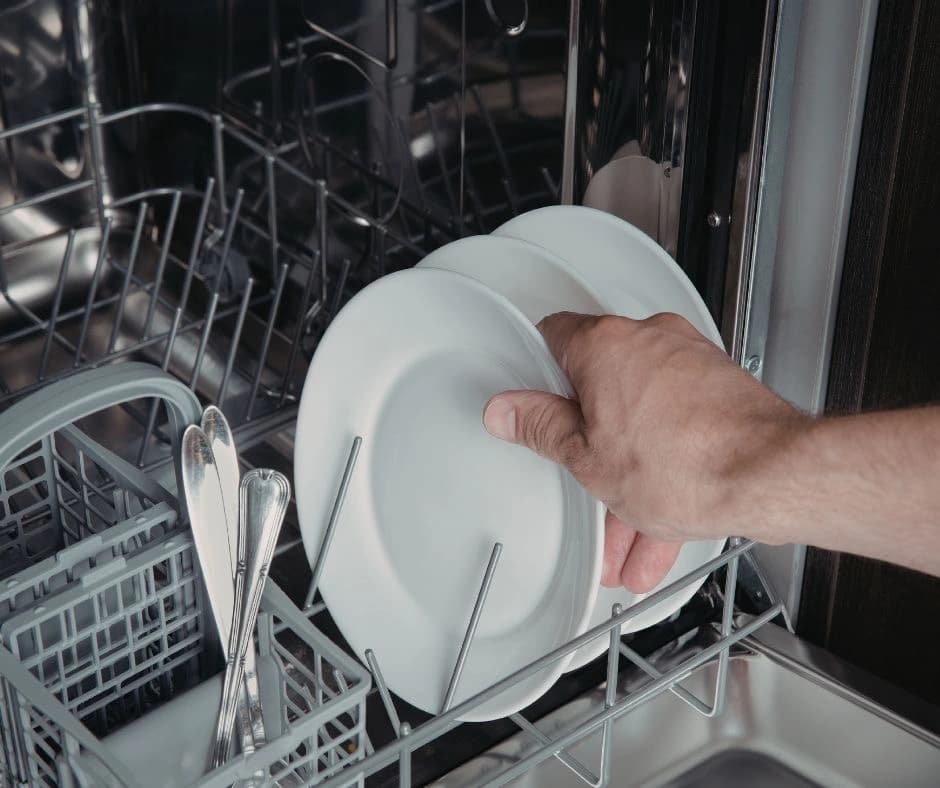
There are two different questions hiding in this one. Can dirty dishes sit in the dishwasher overnight before you run it? And can clean dishes stay inside overnight, or for days, after the cycle ends? The answers are different, and in a warm, humid Malaysian kitchen the details matter more than they would in a cool climate.
Quick Answer: Is it OK to leave dishes in the dishwasher overnight?
Dirty dishes: yes, occasionally, if you scrape the plates first and run the machine in the morning. Food will dry on and the tub may smell, but the wash removes both. Clean dishes: yes, as long as they were dried by the cycle. Leave the door ajar, or use a machine with a ventilated drying stage, and they stay fresh for days.
Leaving dirty dishes overnight
When plates with food on them sit in a closed dishwasher for eight to ten hours, three things happen:
- Food dries on. Rice, egg and sauce harden, which makes the wash work harder and can leave residue on a light programme.
- Bacteria grow. A closed, damp tub at 30°C is close to ideal for them. They are killed by the wash, but the smell they leave can survive it.
- Odour builds. Standing food scraps in a warm box smell by morning, and the smell soaks into the filter.
None of that is dangerous. The dishwasher washes at temperatures that hands cannot stand, and a hot programme sanitises what the detergent leaves. It is a question of results and smell, not safety.
| Issue | Cause | Effect |
|---|---|---|
| Odour | Food scraps standing in warm, damp air | Smelly tub and filter |
| Residue after washing | Food dried hard onto plates | Extra scrubbing, or a second run |
| Bacteria | Moist, warm, closed space | Smell; killed by the wash itself |
If you must leave them: scrape scraps into the bin, give heavily soiled plates a quick rinse, and set the delay start so the machine runs during the night rather than in the morning. Most machines offer a delay of up to 24 hours. Better still, run a half load; a modern dishwasher uses less water than washing the same plates by hand.
Leaving clean dishes in the dishwasher overnight or for a week
Clean dishes are a different case. Once the cycle has washed and dried them, they are as clean as dishes get, and the only thing that can change that is moisture. Two situations:
The cycle dried them properly. Leave them. Open the door a few centimetres when the cycle ends so the last steam escapes, and the dishes stay dry and fresh for days. In a machine with a ventilation stage, which draws air through the tub after drying, they stay fresh for a week with the door closed. The VATTI DWID3 dries at 105°C and then ventilates the tub for up to 168 hours, which is exactly this case.
The cycle ended with dishes still wet. Steam condenses, water pools in the bases of cups, and in a closed tub that water is what breeds smell. Open the door fully and let them air dry, or unload them onto a rack. A machine that regularly finishes wet needs its rinse aid topped up or its drying setting raised.
Why humidity changes the answer
In Malaysia the kitchen is warm and the air is already wet, so anything left damp stays damp. A dishwasher that in a cool climate could be left closed overnight with no ill effect will smell here by morning if there was food inside. The fixes are the same, they simply matter more: scrape before loading, run the machine at night, and open the door after the cycle.
Best practices
- Scrape scraps into the bin before loading. Do not pre-rinse everything; modern detergent needs some soil to work on.
- Use the delay start to run overnight and unload in the morning.
- Open the door a crack when the cycle finishes.
- Top up rinse aid so dishes dry rather than sit wet.
- Clean the filter weekly and run a hot maintenance cycle monthly. Our step-by-step guide to how to clean a dishwasher covers both.
- Keep items that should not go in the machine out of it. See what is not dishwasher safe.
When to be more careful
Households with an infant, an elderly person or anyone with a weak immune system should not leave dirty dishes standing at all, because the smell that bacteria leave behind is also a sign of how many there were. Run the machine every evening and use the hottest programme. A dishwasher with a UVC stage, which sterilises after the wash and the dry, adds a third barrier that heat alone does not give.
Dishes in the dishwasher FAQs
Can I leave the dishwasher running overnight? Yes. Dishwashers are built for unattended operation and the delay start exists for exactly this. Some households prefer to run it while they are home; if so, run it right after dinner.
Can I leave clean dishes in the dishwasher for a week? If the cycle dried them and the door was cracked open, or the machine ventilates the tub, yes. If they were left wet in a closed tub, rewash them.
Should I open the dishwasher door after the cycle? Yes, a few centimetres, once it finishes. It lets steam out and stops condensation settling back on the dishes. A machine with an auto-open or ventilated drying stage does this for you.
Is it safer to leave dishes in the sink or in the dishwasher? The dishwasher. It is enclosed, it is away from flies, and the wash that follows sanitises. A sink of standing water is worse on every count.
Why does my dishwasher smell in the morning? Food scraps in the filter, a tub that was closed while damp, or a drain hose that lets water sit. Clean the filter, run a hot cycle with the machine empty, and leave the door ajar between loads.
Final thoughts
Leaving dishes in the dishwasher overnight is fine when you do it on purpose: scrape, delay the start, and open the door when it finishes. If your machine finishes wet or smells by morning, that is a drying problem, not a reason to stop using it. The VATTI dishwashers wash at 75°C, dry at 105°C, sterilise with UVC and ventilate the tub afterwards, which is how a load stays fresh for seven days without touching it.


