
Oven Symbols and Meanings: Every Icon Explained
8 min read
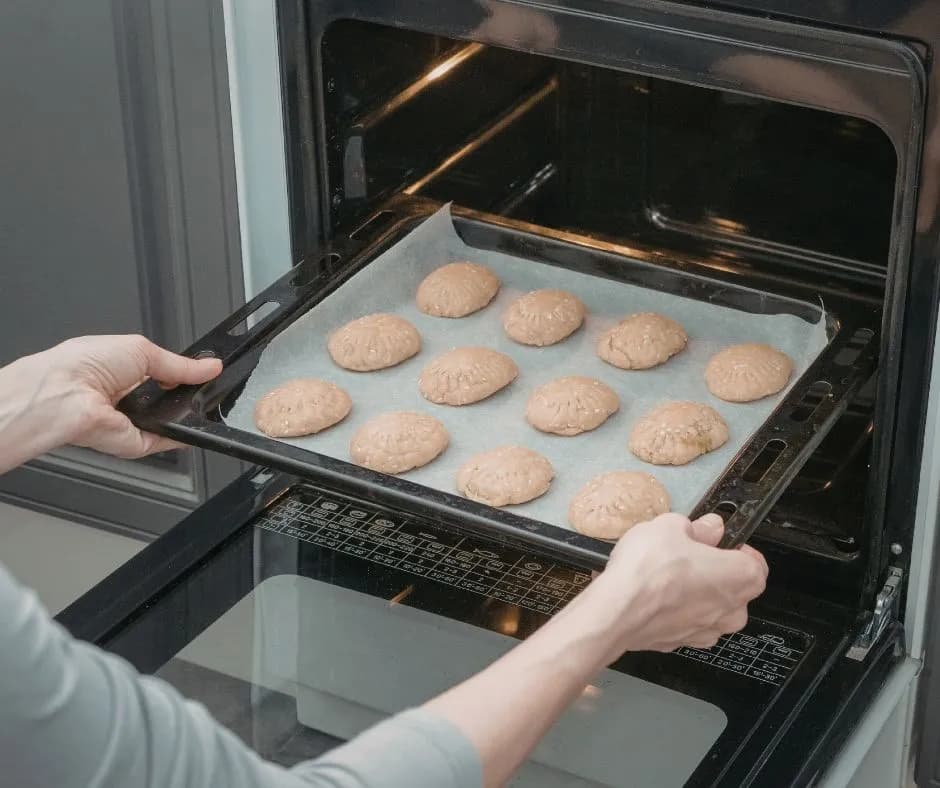
Every oven symbol tells the oven where to make heat and whether to move it. Get the symbol right and the temperature usually looks after itself. Get it wrong and a cake crusts over before it has risen, a pizza base stays pale, or a roast chars on top while the middle is still raw.
This guide explains every common oven symbol, what it looks like on the dial, what the oven does when you pick it, and which dishes it suits. The icons are standardised across almost every brand sold in Malaysia, so once you know them you can use any oven.
Quick Answer: What do the oven symbols mean?
Two horizontal lines is conventional heat from the top and bottom elements, the setting for most cakes and roasts. A fan in a circle is convection, which blows hot air around the oven for even, multi-tray baking. A jagged line at the top is the grill. A single line at the bottom is bottom heat only, for crisp bases. Everything else is a variation on those four.
| Symbol | What it looks like | What the oven does | Use it for |
|---|---|---|---|
| Conventional | Two horizontal lines, top and bottom | Top and bottom elements, no fan | Cakes, pastries, bread, roasts |
| Fan / convection | Fan inside a circle | Rear element with the fan running | Cookies, multi-tray baking, even roasting |
| Fan with bottom heat | Fan with a line underneath | Fan plus the bottom element | Pizza, tarts, anything that needs a crisp base |
| Bottom heat | One line at the bottom | Bottom element only | Finishing bases, casseroles, gentle reheating |
| Top heat | One line at the top | Top element only | Browning a gratin, finishing a dish |
| Grill | Jagged or zigzag line at the top | Grill element at full power | Toast, melting cheese, searing thin cuts |
| Fan grill | Jagged line with a fan | Grill element with the fan running | Chicken pieces, thicker cuts, sausages |
| Fan only | Fan without any lines | Fan with no heat | Defrosting |
| Light | A bulb | Interior light only | Checking on food |
| Pyrolytic or steam clean | A sun-like burst, or droplets | Cleaning cycle | Oven maintenance |
Conventional oven symbol: two horizontal lines
The conventional symbol, sometimes called top and bottom heat or static heat, shows one line at the top of the square and one at the bottom. Both elements run and nothing moves the air. Heat rises, so the top of the oven runs a little hotter than the bottom, which is why recipes written for this mode tell you to use the middle rack.
Use it for cakes, sponges, cheesecakes, bread and pastries, and for a single roast. It is the gentlest of the main modes and the one most recipes assume unless they say otherwise.
Fan oven symbol: a fan in a circle
The fan symbol, also labelled convection, shows a three-blade fan inside a circle. A heating element around the fan at the back of the oven warms the air and the fan pushes it around the cavity. Every shelf gets the same temperature, so you can bake three trays of cookies at once and they will all colour evenly.
Fan mode cooks faster and browns more, so lower the temperature by about 20°C from a recipe written for a conventional oven. It is the right mode for cookies, biscuits, roast vegetables, and anything on more than one tray. It is the wrong mode for a delicate sponge, which will set on the outside before it has finished rising. Our guide to the oven symbol for baking cookies goes into the fan mode in more detail.
Fan with bottom heat: the pizza symbol
A fan with a single line underneath it runs the bottom element together with the fan. The base gets direct heat while the moving air cooks the top, which is exactly what a pizza, a quiche or a fruit tart needs to avoid a soggy bottom. Some ovens print a small pizza icon for the same thing. See which oven symbol to use for pizza for temperatures and rack positions.
Bottom heat only: one line at the bottom
One line at the bottom of the square means only the lower element runs. It is a finishing mode more than a cooking mode. Use it for the last ten minutes of a pie whose base is still pale, for keeping a casserole warm, or for slow, gentle cooking where you do not want the top to colour any further.
Top heat only: one line at the top
One line at the top runs only the upper element. It browns the surface of a dish that is already cooked through, such as a gratin, a lasagne or a shepherd's pie. It is gentler than the grill and easier to control.
Grill symbols: the jagged line
A jagged or zigzag line at the top is the grill. The element runs at full power and the food sits close to it, so this is for toast, melting cheese, and thin cuts that cook in minutes. Leave the door as the manual says: many ovens grill with the door closed, some older ones ajar.
Add a fan to that jagged line and you have fan grill, which turns the grill into a slower, more even roaster. It suits chicken thighs, sausages and thicker chops, which would burn under a plain grill before the middle cooked. Our oven symbol for grill guide covers both.
Specialty and steam symbols
Newer ovens add a handful of icons on top of the classic set:
- Fan only, no lines: the fan runs with no heat. This is the defrost setting. It moves room-temperature air over frozen food so it thaws evenly without starting to cook.
- Bread and dough symbols: a loaf, or a bowl with dough rising, sets a low, steady temperature for proving. On a combi oven this is usually done with steam.
- Steam symbols: droplets or a cloud of steam mean the steam generator is running, either on its own for vegetables, fish and rice, or together with dry heat for bread with a proper crust and roasts that stay moist. The VATTI combi ovens run eight dry baking modes and three steam modes, plus the combinations.
- Keep warm: a plate or a low thermometer holds food at serving temperature without cooking it further.
- Meat probe: a thermometer icon means the oven will stop when the probe inside the joint reaches the temperature you set.
Cleaning and safety symbols
- Pyrolytic cleaning: a burst or sun-like symbol. The oven heats to around 500°C and reduces grease to ash you wipe out afterwards. The door locks for the duration.
- Steam cleaning: droplets in the cavity. A short low-temperature cycle loosens grime with moisture so it wipes off.
- Child lock: a padlock. The controls are frozen until you hold the button to release them.
- Door lock: a padlock on a door, shown during pyrolytic cleaning.
- Light: a bulb, which switches the interior lamp on so you can check on food without opening the door.
How to choose the right symbol
Match the mode to the dish before you touch the temperature. The mode decides where the heat comes from; the temperature only decides how much of it there is.
- Cakes, sponges and pastries: conventional, middle rack.
- Cookies and anything on two or three trays: fan, temperature lowered by 20°C.
- Pizza, quiche and tarts: fan with bottom heat.
- A single roast: conventional or fan, then a few minutes under the grill if the skin needs colour.
- Gratins and finishing: top heat or the grill.
Then preheat properly. Our guide to how long to preheat an oven explains why 10 to 15 minutes matters and when it takes longer.
Common mistakes with oven symbols
- Fan mode for a sponge. The moving air sets the surface before the batter has risen, and the cake cracks or domes. Use conventional heat.
- Grill for a thick joint. The grill sears the top and never reaches the middle. Roast first, grill for colour at the end.
- Not lowering the temperature in fan mode. A recipe written for conventional heat will overbrown at the same temperature with the fan on.
- Opening the door early. Every opening drops the temperature and stalls the rise. Wait until at least two thirds of the baking time has passed.
- Ignoring the manual. Brands add their own icons for auto programmes and special modes. The manual explains those; this guide covers the ones every oven shares.
Oven symbol FAQs
What is the conventional oven symbol? Two horizontal lines, one at the top of the square and one at the bottom. It runs both elements without the fan and is the mode most baking recipes assume.
What does the fan symbol on an oven mean? Convection. A heating element around the fan warms the air and the fan circulates it, so every shelf cooks at the same temperature. Lower the recipe temperature by about 20°C.
Which oven symbol is for baking a cake? Conventional, the two horizontal lines, on the middle rack. See our full guide to the oven symbol for baking cakes and the oven settings for baking cakes.
Are oven symbols the same on every brand? The core set is: conventional, fan, grill, bottom heat and fan grill look the same almost everywhere. Special programmes differ, so check the manual for those.
What is the difference between the fan symbol and the fan with a line underneath? The plain fan is convection. The fan with a line underneath adds the bottom element, which crisps the base. Use the second one for pizza and tarts.
Final thoughts
Learn the four core symbols, conventional, fan, grill and bottom heat, and you can cook confidently in any oven. Everything else is a combination of those. If you are choosing an oven, the VATTI combi and steam ovens add steam to the standard modes, which is what keeps bread crusty and roasts moist, and their auto menus pick the mode and the temperature for you.


