
Which Oven Symbol for Pizza? Guide to the Perfect Crust
8 min read
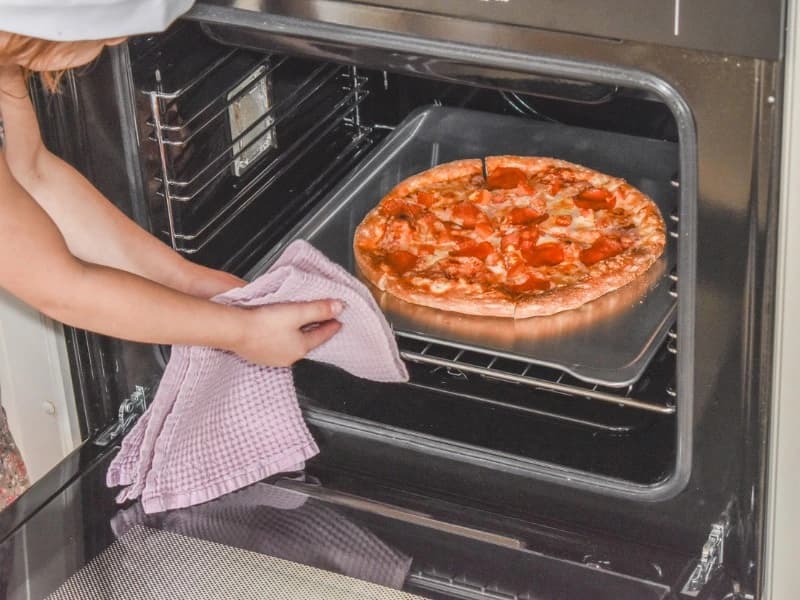
There is nothing quite as disappointing as pulling a pizza out of your built-in oven only to find the base is still soft and doughy while the cheese on top has already started to brown a little too much. Sound familiar? The good news is that this is almost always a settings problem, not a recipe problem. Knowing which oven symbol to use for pizza makes a significant difference between a soggy base and a crisp, properly cooked crust. In this guide, we walk you through exactly which symbols to look for and how to use them for the best results. And if you want a refresher on oven symbols and their meanings more broadly, we have a dedicated guide for that too.
The Pizza Symbol (Fan + Bottom Heat)
The dedicated pizza symbol is the one you want to look for first. On most ovens, it looks like a fan icon combined with a single horizontal line at the bottom of the square. Some ovens, especially those with a specific pizza mode, may show an icon of a sliced pizza instead. Either way, the function is the same.
When you select the pizza symbol, your oven does two things at once. It activates the fan to circulate hot air evenly around the oven cavity, and it turns on the bottom heating element to direct extra heat upward from beneath your pizza. This combination is exactly what a great pizza needs:
- The fan ensures the toppings cook evenly and the cheese melts consistently across the whole surface.
- The bottom heat drives intense heat into the base, creating that satisfying crispy crust without the need for a pizza stone or a specialised pizza oven.
- Because the heat comes primarily from below, the toppings are less likely to burn before the base has had a chance to properly cook through.
For most homemade pizzas, set your oven to between 200 and 230 degrees Celsius when using the pizza symbol. Always preheat fully before sliding your pizza in, and place it on the lower third of the oven to get maximum benefit from the bottom heat element.
What If Your Oven Does Not Have a Pizza Symbol?
Not every built-in oven comes with a dedicated pizza symbol, and that is completely fine. You can get excellent results using a combination of other settings. The key is to replicate what the pizza symbol does: fan circulation plus strong bottom heat.
Here are your best alternatives if you do not see a pizza icon on your oven’s dial:
- Fan forced (convection) mode: This is the most commonly available alternative. The fan circulates hot air evenly, which helps cook the toppings and base at a similar rate. Set the temperature slightly higher than you would for the pizza symbol, around 210 to 230 degrees Celsius, and place your pizza on the lowest rack position available.
- Fan assisted with bottom heat: Some ovens allow you to combine the fan with the bottom element manually. If your oven has separate controls for the fan and heating elements, switching on both gives you a very close approximation of the pizza mode.
- Conventional top and bottom heat: This works better for thicker crusts and deep-dish style pizzas where you want a steadier, slower bake. Not ideal for thin crust, but a solid option for more substantial pizza styles.
If you are in the market for a built-in oven with a dedicated pizza mode, the Vatti Built-In Oven O755P features 11 cooking functions, including a pizza setting, making it a great choice for home cooks who love to bake and cook a wide variety of dishes.
Fan Forced (Convection) as a Pizza Alternative
Fan forced mode is the go-to backup for pizza when a dedicated pizza symbol is not available, and it does a very capable job. The fan circulates hot air throughout the oven evenly, which means your pizza cooks more consistently than it would in a static conventional oven.
To get the best results using fan forced mode for pizza:
- Set your temperature to 210 to 230 degrees Celsius. Fan ovens cook more efficiently than conventional ones, so you do not need to push the temperature as high.
- Place your pizza on the lowest rack position. The further down in the oven, the closer your pizza is to the base of the oven where heat radiates upward, helping to crisp the crust.
- Preheat your baking tray before placing the pizza on it. Sliding a cold pizza onto a hot tray instantly starts crisping the base from the moment it goes in.
- Avoid using a deep baking dish for thin crust pizza. A flat, thin tray allows heat to reach the base more directly.
Fan forced mode is also a reliable choice for frozen pizzas, as the even heat distribution gives consistent results whether the pizza is thick or thin.
Conventional (Top + Bottom Heat) for Pizza
The conventional setting, shown as two horizontal lines at the top and bottom of the square, activates both heating elements without the fan. Heat rises naturally through the oven cavity from the bottom element while the top element browns the surface.
For pizza, this setting works best when:
- You are making a thick crust or deep-dish pizza that needs a longer, more controlled bake.
- You want the toppings to get a deeper colour on top without the fan speeding up the process.
- You are cooking a pizza that has a lot of toppings or a wet sauce that needs more time to reduce and set before the crust is done.
For thin crust pizzas, conventional mode is less ideal because the static heat creates hot spots and can result in uneven cooking. If you only have this setting available, place your pizza on the bottom rack and keep a close eye on the base to make sure it is crisping up properly.
Quick Comparison: Which Symbol to Use for Your Pizza
Here is a simple reference to help you decide at a glance:
| Oven Symbol | Best Pizza Type | Key Tip |
|---|---|---|
| Pizza (Fan + Bottom Heat) | Thin crust, homemade | Lower rack, 200 to 230°C |
| Fan Forced | All types, especially frozen | Preheat tray, lowest rack |
| Fan Assisted | Medium crust, fresh | Set temp 10°C lower than recipe |
| Conventional | Thick crust, deep dish | Bottom rack, watch closely |
Rack Position and Temperature Tips for Oven Pizza
Even with the right symbol selected, rack position and temperature have a big impact on your final result. Here are the key things to keep in mind:
- Use the lower third of the oven for thin crust pizza. This positions the pizza closer to the bottom heating element, which is what delivers that crispy, well-cooked base.
- Use the middle rack for thicker pizzas that need more time in the oven. The middle position gives balanced heat from both the top and bottom elements.
- Always preheat your oven fully before putting the pizza in. An oven that has not reached temperature will result in a longer bake time and often a soggy base, as the dough absorbs heat slowly instead of crisping immediately on contact.
- If you have a spare baking tray, preheat it in the oven along with the oven itself. Placing your pizza directly onto a hot tray mimics the effect of a pizza stone and gives you a much crispier base.
- For homemade pizza, do not overload the toppings. A heavy layer of wet toppings releases steam during baking, which can soften the base even if your oven settings are perfect.
Fresh vs Frozen Pizza: Does the Symbol Change?
The short answer is: not always, but it can make a difference to your results.
For fresh homemade pizza, the pizza symbol or fan forced mode with the pizza on the lower rack is almost always the best combination. The base is raw dough that needs direct heat to cook through and crisp up, and the toppings are typically fresh ingredients that cook quickly. Getting the base right is the priority.
For frozen pizza, fan forced mode tends to work very reliably. Frozen pizzas are partially pre-cooked, so the goal is mainly to heat them through and give the base a bit of colour. The even heat distribution of fan forced mode means the centre heats up at a similar rate to the edges, which reduces the risk of a dry outer crust with a cold middle.
As a general rule, follow the temperature recommended on the frozen pizza packaging, but place it on a lower rack than suggested if you want a crispier base. Most packaging instructions are based on conventional ovens, so if you are using fan forced mode, reduce the temperature by around 10 to 20 degrees Celsius and check on it a couple of minutes earlier than the stated cooking time.
If you enjoy experimenting with different cooking methods at home, a combi steam oven can also be a surprisingly effective tool for pizza, using steam early in the bake to keep the dough light and airy before the heat crisps the crust in the final minutes.
Conclusion
The next time you are about to bake a pizza, here is the simple rule to follow: look for the pizza symbol first. It is the fan plus bottom heat combination, and it is specifically designed to give you a crispy base without overdoing the toppings. If your oven does not have it, fan forced mode on the lowest rack is your best alternative for thin crust, while conventional top and bottom heat is better suited for thicker, deeper pizzas.
Getting the rack position right and preheating properly are just as important as the symbol itself, so take those extra couple of minutes to set your oven up properly before the pizza goes in. The difference in the final crust will be well worth it.
Final thoughts
Thinking about upgrading to a built-in oven with a dedicated pizza mode and more cooking functions? WhatsApp Vatti Malaysia and our team will help you find the right oven for your kitchen and cooking style.


